
…Crystals
Crystals have been part of human culture for thousands of years, admired for their natural beauty and the meaning people have placed upon them. Long before modern geology, ancient civilisations viewed stones as powerful symbols of the earth itself — formed over time, shaped by pressure, heat, and transformation.
In ancient Egypt, stones such as lapis lazuli, carnelian, and turquoise were used in jewellery, burial practices, and ceremonial objects. These crystals were often associated with protection, the afterlife, and divine connection. Similarly, in ancient Mesopotamia and Greece, stones were engraved with symbols and worn as talismans, believed to carry protective or symbolic qualities.
Across Asia, jade held a particularly revered place, representing purity, wisdom, and balance. In India, crystals were incorporated into spiritual traditions and early systems of symbolic energy. Indigenous cultures around the world also developed their own relationships with stones, often using them in rituals, storytelling, and personal adornment.
While interpretations and beliefs varied widely, a common theme emerges throughout history: crystals were seen as meaningful objects that connected people to the natural world. Today, many continue to value crystals not only for their appearance, but for their ability to inspire reflection, intention, and a deeper appreciation of nature.
Here, crystal lore is shared as a way to explore these stories with curiosity and respect.
☽ ✧ ☾
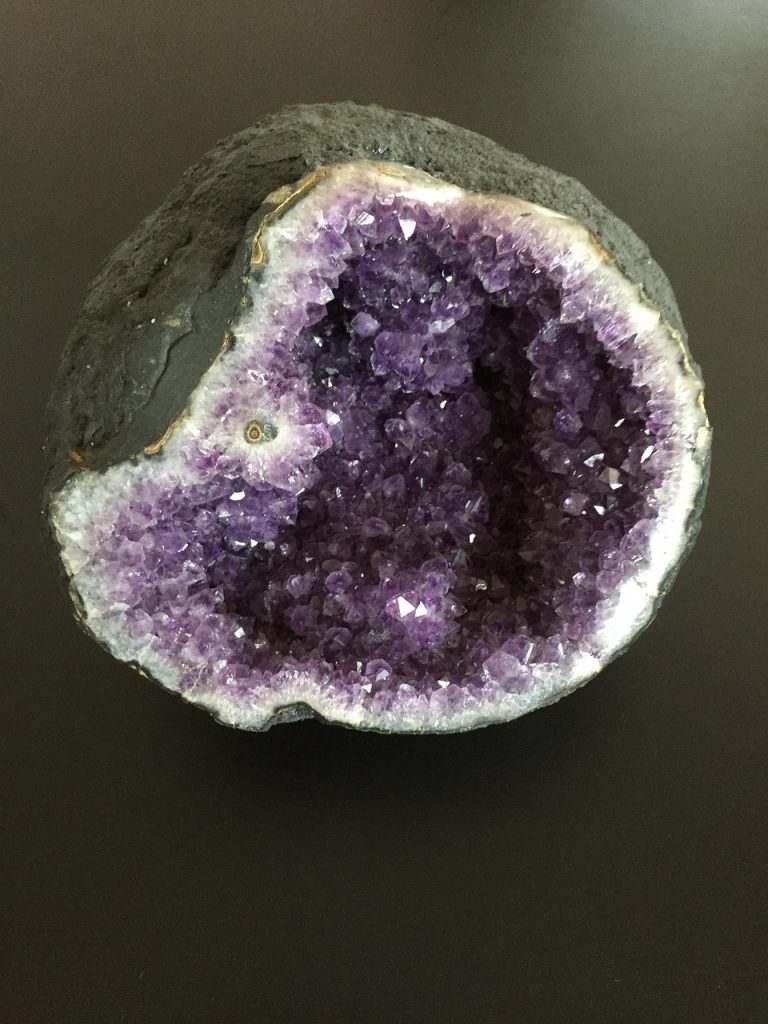
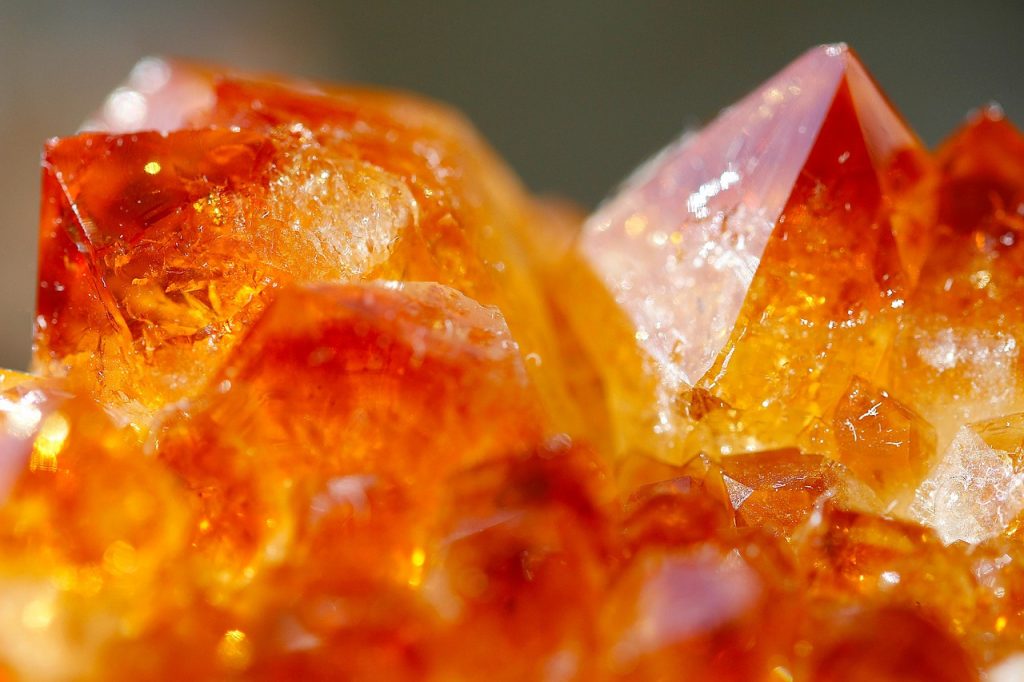
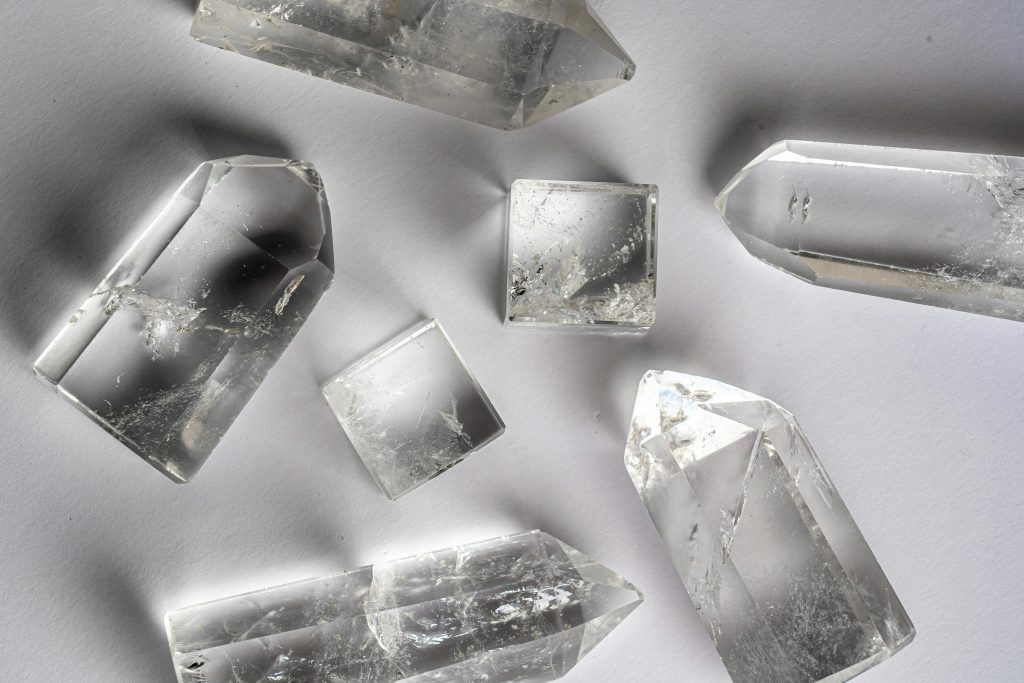
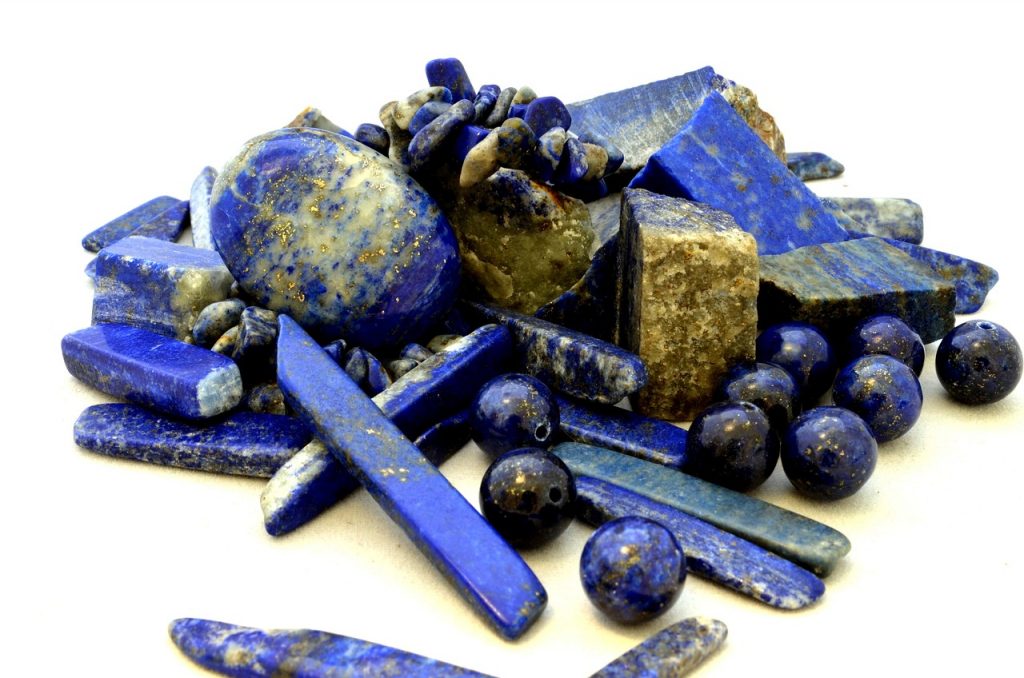
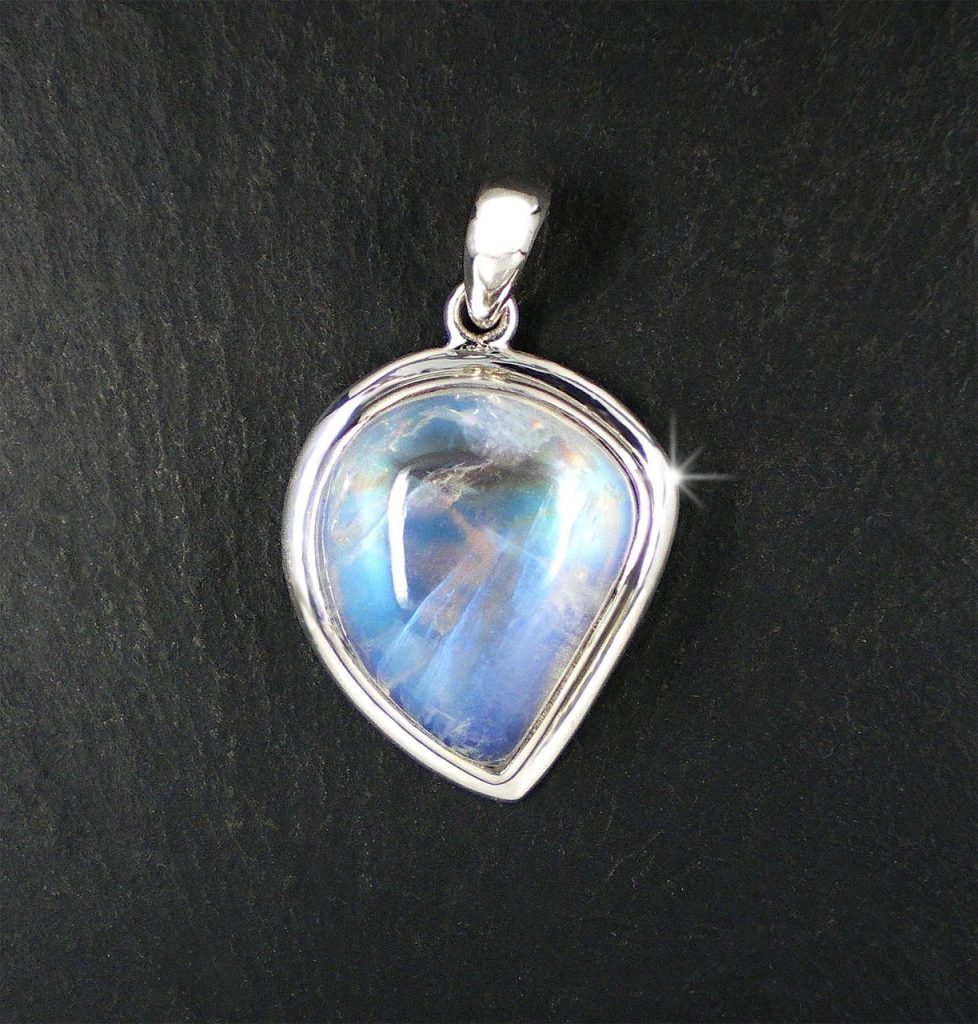
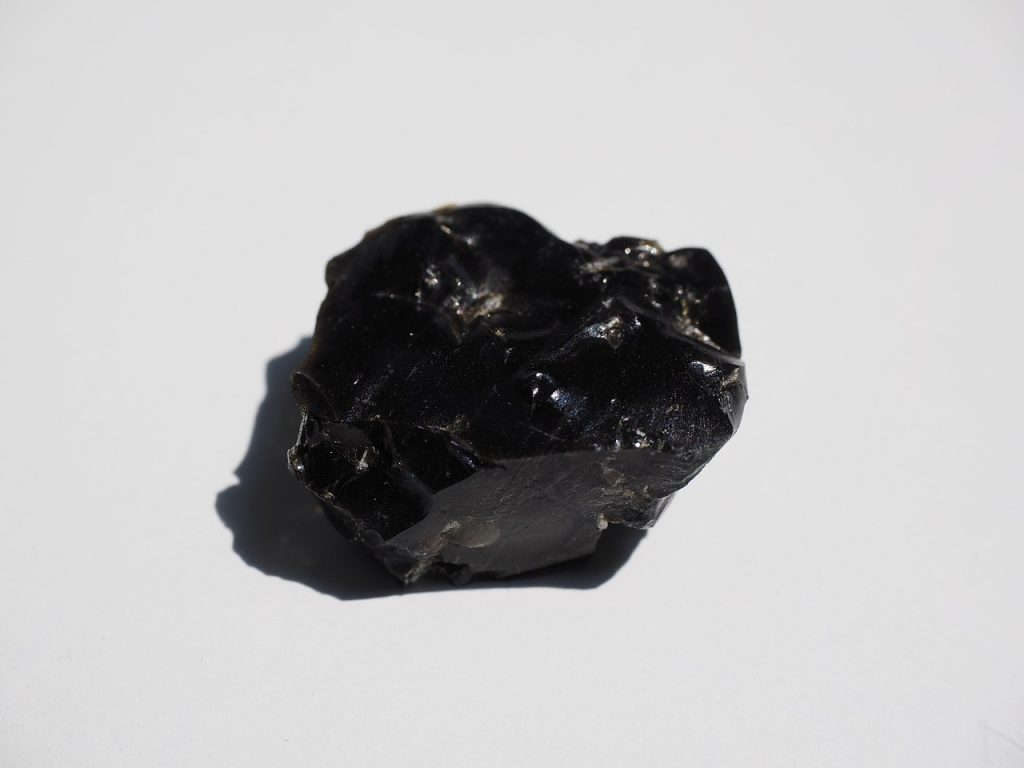
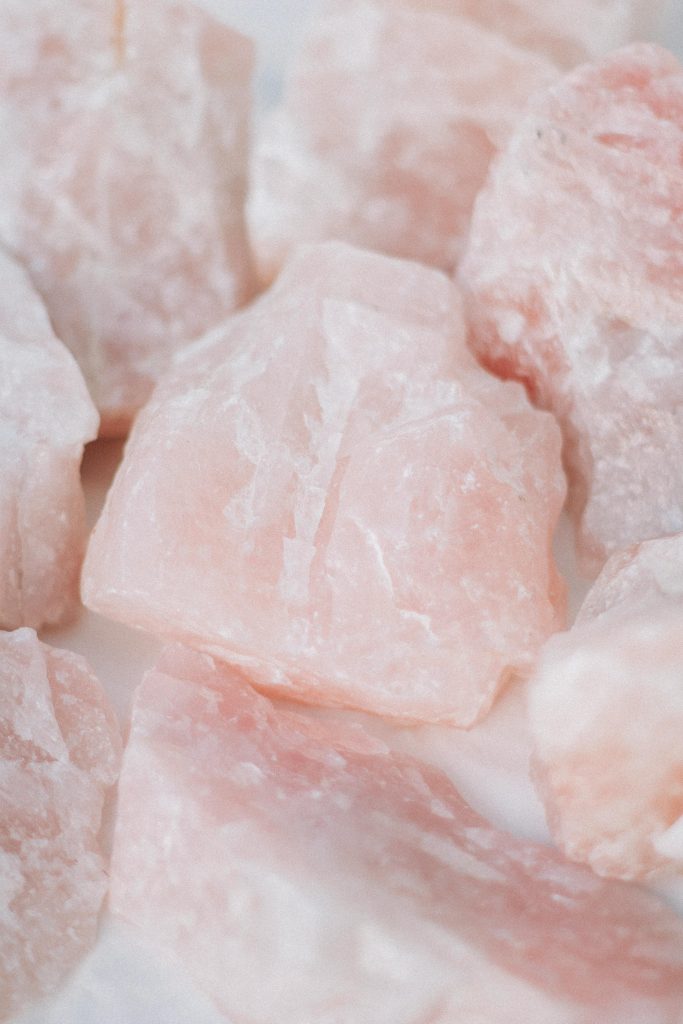
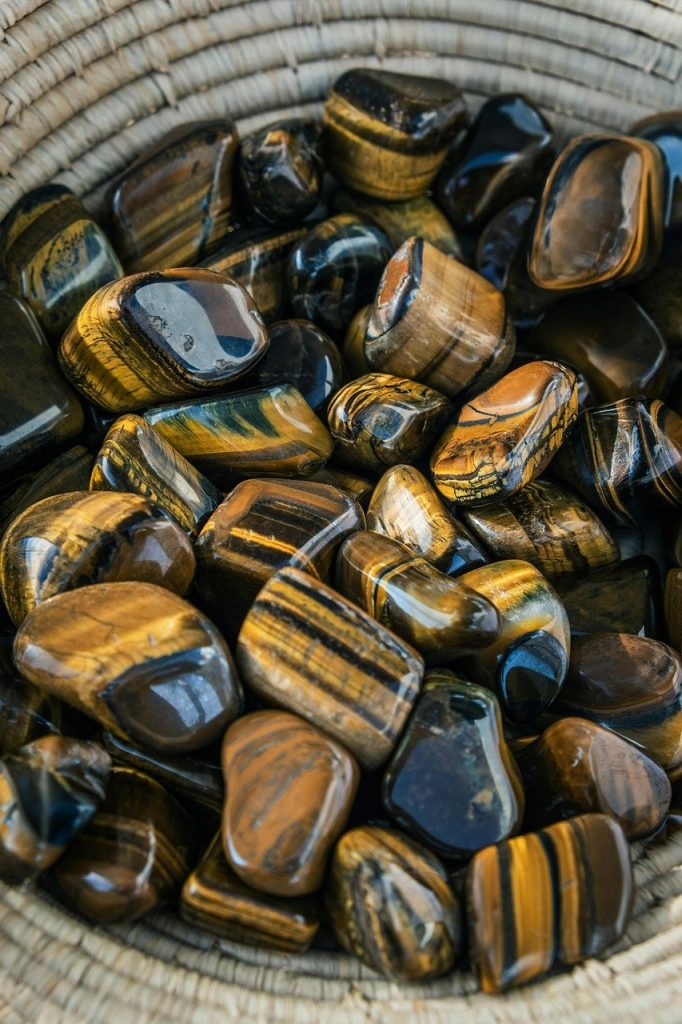
Each stone carries its own story of formation, symbolism, and tradition. Explore each crystal to learn more about its history and reflective meanings.
Crystal Pairings
Some stones are often paired symbolically to reflect balance, focus, grounding, or reflection.
Crystal & Element Connections
Certain stones are traditionally associated with elemental energies such as fire, water, earth, and air.
For example:
Carnelian (Fire)
Moonstone (Water)
Jasper (Earth)
Fluorite (Air)